The Revolution Will Have Alt Text

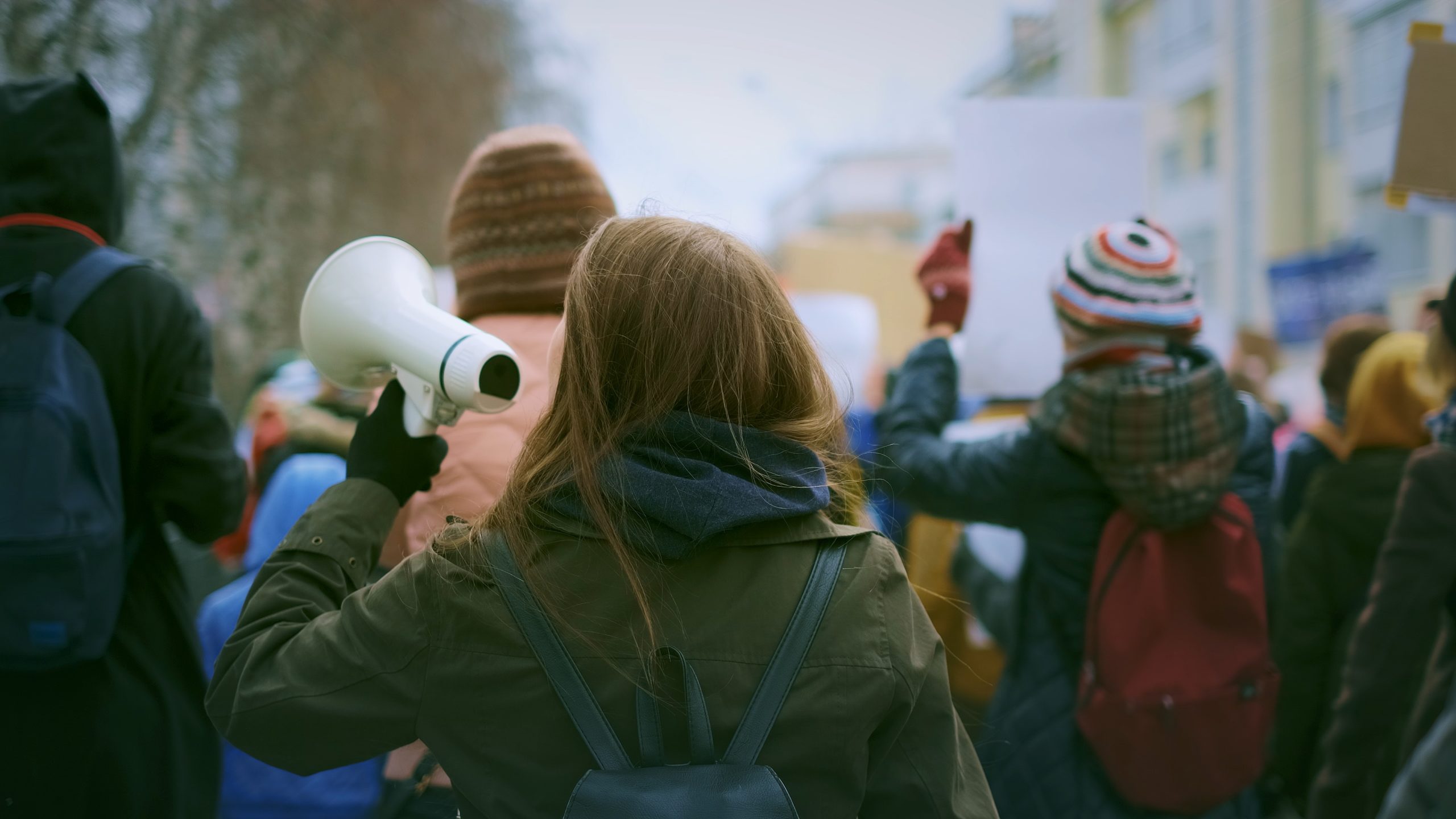
Outdoors, day. A crowd of protestors seen from behind. Some people are wearing winter hats and backpacks. A person with long brown hair in the center holds up a blow horn.

“If you can’t run a mile without stopping, you’re not ready for the apocalypse.”

When I read this quote on a friend’s Instagram story, it infected my mind for weeks. I had stress dreams about getting lost in alleyways, trapped for eternity in an endless maze. As a blind guide dog handler, I rarely travel without assistance. Bright, my dog, flunked out of the running guide unit during training; I’m not exactly marathon material either. If survival depends on sprinting, I probably won’t make it very far.

But the real issue is not whether I can run. It’s the version of survival that our hyper-individualistic culture demands: fast, isolated, physically strong, and self-reliant. I do not see myself as the main characters in the zombie apocalypse stories. I see myself in those quietly working together behind the scenes, the ones who survive because they have someone to call and someone to care for.

Disabled people already know how to survive in broken systems. We do it all the time. We adapt, we plan, we rely on one another. I bring eggs from my chickens to the neighbors. They give me a ride to the pharmacy when my transportation falls through. That’s not charity; it’s how we both get through.This kind of mutual care is what the disability justice movement calls interdependence, and it challenges the myth that any of us survive alone.

I prepare in other ways, too. I chaos garden. I buy flour in bulk. I label jars of preserved food with puff paint braille dots. But even the best-stocked pantry is not enough if I can’t access emergency alerts or mutual aid networks. I can’t volunteer if the sign-up sheet is a graphic with no alt text. I can’t join the ride list if it’s saved as a JPEG.

These are not small issues. In a crisis, they decide who gets help and who gets left behind. Inaccessible communication in emergencies shows how even protections promised by the ADA fall short when digital systems are not designed with us in mind. Even our own movements forget that access is the keystone to survival, not something to address only when approached by the squeaky wheel.

Sometimes disaster prep means emailing the local transit board because their annual reports aren’t screenreader compatible. Sometimes it means advocating for plain language in public health alerts. It means pushing for town halls to be held in buildings with accessible entrances. It means organizing to add image descriptions to the work of the photo-journalists documenting an ongoing genocide. These are acts of care. They keep the circle strong.

I’ll admit that my go-bag is lacking. But I do have a mental map of who can show up in an emergency, who needs support, and who might need a couch if they can’t make rent. I know who goes out of their way to make their digital content accessible. And I know who has space in their fridge if the power goes out. This is what safety looks like for me.

No, I cannot run a mile without stopping. But I know how to take care of people—and I know who will take care of me.


Izzy Bailey (she/they) is a social work graduate student at the University of Maine who works at the intersection of disability justice, public health, and outdoor equity, drawing on her lived experience as a blind guide dog handler. She serves on various boards and councils including Maine Organization for Blind Athletic and Leadership Education (MOBALE) and the Guiding Eyes Graduate Council. Izzy is passionate about building more accessible communities across Maine and beyond.

About Rooted In Rights

Rooted in Rights exists to amplify the perspectives of the disability community. Blog posts and storyteller videos that we publish and content we re-share on social media do not necessarily reflect the opinions or values of Rooted in Rights nor indicate an endorsement of a program or service by Rooted in Rights. We respect and aim to reflect the diversity of opinions and experiences of the disability community. Rooted in Rights seeks to highlight discussions, not direct them. Learn more about Rooted In Rights

“Capacity” and the Complex Realities of Black Disabled Life

Indoors, day. A young, brown-skinned Black wheelchair user with short, dark hair, a beard, and mustache sits at a desk resting their chin on their hands, their elbows on the desk surface. Wearing a light blue collared shirt, they're staring directly at the camera.

With two near-death cardiac episodes within the year, I’ve come to understand capacity in a way I never could have imagined. After months of being bedridden and my hospitalization in January, the conditioning of “being strong” was killing me. It broke my illusion of productivity revealing: hyper-independence will kill me.

As a Black, queer, disabled person, capacity isn’t just about whether I can work; it’s about surviving a world that demands performance while denying care. I define capacity as one’s ability to output physical, mental, and spiritual productivity. Rest is not just sleep; it’s a restorative practice. However in a capitalist society that prioritizes profitability, it becomes more taxing to survive the more marginalized identities you hold. Rest, in a culture that centers whiteness and capitalism, is often treated like a luxury, not a birthright.

Before I had language for disability justice, I survived because of my community. My friend, author Kate Pentecost, extended me kindness and grace which saved my life. I could recover from three physical assaults at a global retailer, PTSD, and depression. She gave me room to begin to process and recognize the trauma I experienced. Shamir, creator of Black On The Vineyard, flew down from New Jersey to Texas to help me finish packing and move after I was discharged. I would not exist today if it wasn’t for community. In times where your capacity and resources are low, community care covers the cracks designed for marginalized people to fall through. When reflecting on being held by community Angel, the creator of Sacred Space for Fat Bodies, shared, “I rest…[and] I’m free to pray before even thinking about trauma…”

That kind of care is radical in the face of a culture that demands you grind and hustle. The scrutiny disabled Black people face in the workplace is compounded by racial bias, gender expectations, and assumptions about strength. I am still suffering from job loss after returning from medical leave at Varsity Tutors. Before my termination, I told them I couldn’t speak on calls due to extreme shortness of breath, a symptom of my heart condition. Instead of accommodations, I was met with silence and dismissal. Angel adds: “If you’re sick and tired, there’s no way you can do good work.” Shug Diddy, WDRB & iHeart Radio Host, shared: “In professional spaces, I get overlooked…[and] your work is always suspect.”

My redefining capacity, reclaiming my right to softness, to pause, to rest came easy due to my exposure to community and thought leaders I admire. Imani Barbarin, Roxane Gay, Audre Lorde, and Bassey Ikpi, have all contributed to my understanding. Performing productivity has been isolating, but being honest about my needs has been the balm that restores my soul.

“An ideal world would consist of conscious accommodations for all people,” Shamir affirms. Community care remains essential, especially for Black people managing chronic conditions. That care restores, expands, and sustains the capacity for everyone to show up as their best selves.


Brandon Jerrod (they/them) is a writer, photographer, and digital content creator whose work explores the intersections of Blackness, queerness, disability, and community care. Their practice blends storytelling, spirit work, and cultural critique to create inclusive and transformative narratives.

About Rooted In Rights

Rooted in Rights exists to amplify the perspectives of the disability community. Blog posts and storyteller videos that we publish and content we re-share on social media do not necessarily reflect the opinions or values of Rooted in Rights nor indicate an endorsement of a program or service by Rooted in Rights. We respect and aim to reflect the diversity of opinions and experiences of the disability community. Rooted in Rights seeks to highlight discussions, not direct them. Learn more about Rooted In Rights

Many Hands Make the Load Lighter: The Importance of Community Care in Disabled and Immigrant Communities

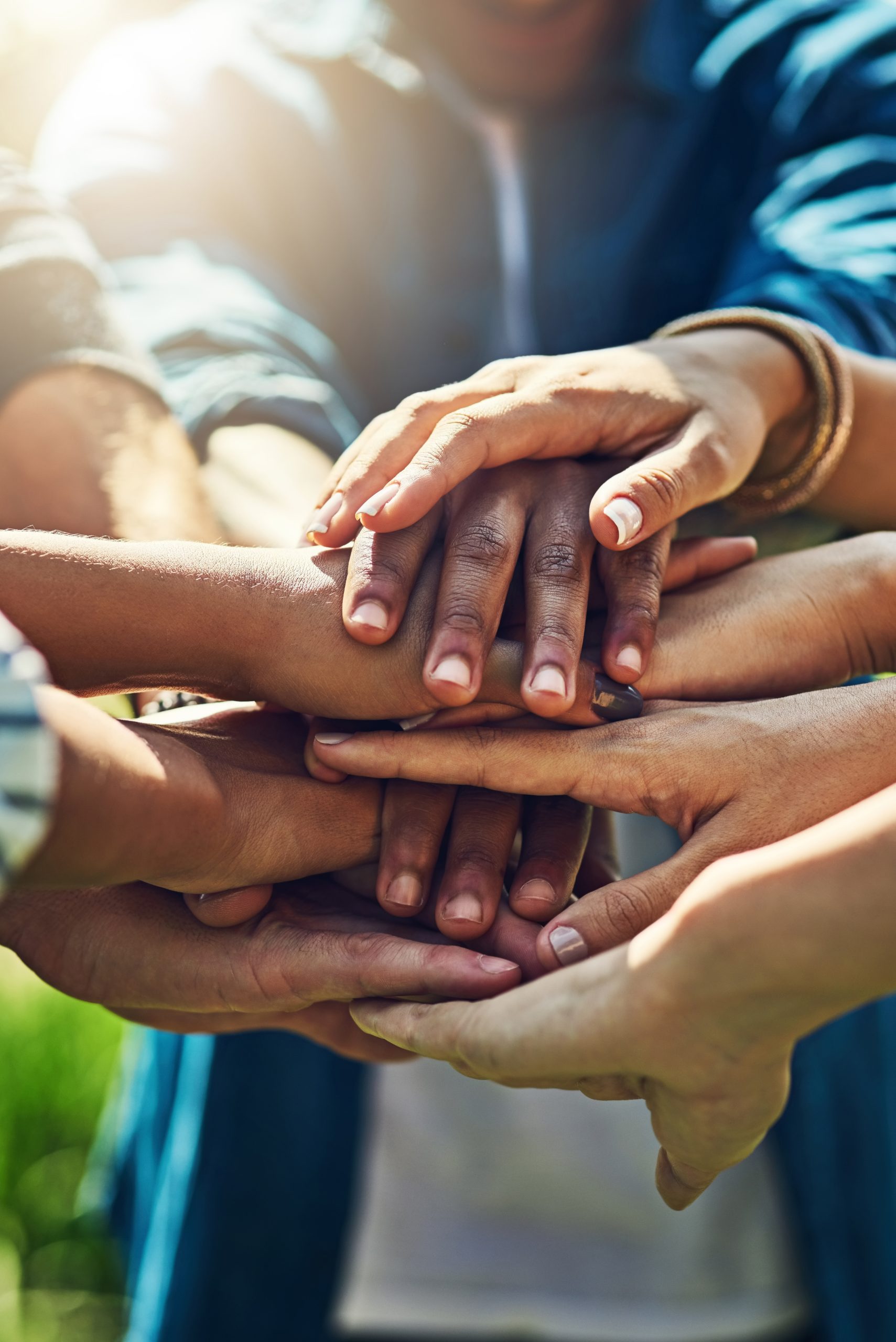
Outdoors. A small group of people with varying skin tones have their hands in a pile together in unity. Only hands, arms, and torsos are visible. Those with visible torsos are dressed casually.

Security, stability, and found family are aspects of community building that have defined my experience as an autistic Afro-Caribbean woman in the rural South. During my adolescence, I witnessed and experienced community support for the first time through my neighbor Gloria—a physically disabled 40-year-old Haitian woman. Coming from a low-income family in Georgia, I didn’t have access to or knowledge of accommodations for my autism. However, Gloria showed me how sanctuary and support can be found within your own communities. 

Starting at the age of 10, Gloria’s house became a constant where I experienced acceptance and care. She regularly provided free childcare while my parents worked. At this time, I struggled with sensory issues and communicating my needs. When I couldn’t express myself verbally, Gloria gave me my first journal and said, “When your heart is heavy, write your thoughts.” I didn’t know this way of communicating was an option; I felt seen for the first time in that moment.

I used the journal as a way to express myself when I went nonverbal. When I wrote down that bright lights and loud noises were “too much,” Gloria lit candles and quietly played a Looney Tunes cassette tape on her TV for me. At the time, I didn’t realize she was creating an accommodating environment for me to peacefully exist. She gave me an outlet, sources of comfort, and deep understanding. 

In turn, I spent weekends with my mother kneading dough to make Johnny Cake biscuits and fried fish as a way to show my gratitude. It was difficult for Gloria to stand for long periods to cook, and I wanted to show her the same support she’d always shown me. When I brought the home-cooked food to her, she replied, “Men anpil, chay pa lou.” She taught me that the Haitian proverb means “many hands make the load lighter.” Gloria made my life lighter. This communal exchange taught me how community care can support you in the face of limited resources and lack of government assistance. 

Through my experience with Gloria, I found that the immigrant and disabled experiences in the rural South are interwoven identities. The lack of state policies and inadequate implementation of those that do exist force these communities to face challenges disproportionately. Southern states possess the nation’s highest rates of poverty and the largest demographic of disabled people. Similarly, immigrants are subjected to high social and political scrutiny despite the South being home to 35% of the nation’s immigrants.

These intersectional identities highlight the need for immigrant and disability justice. There are marginalized members of your community who may not have the same consistent and intentional support Gloria gave me. Belonging and inclusivity are created within community and we need to be there for one another. As national tensions grow, intercultural, cross-disability, and person-to-person connection will become lifelines for many. Will you lend a hand to make the load lighter?


The author (she/her) is a queer writer and illustrator residing in the South on the east coast of the U.S.

About Rooted In Rights

Rooted in Rights exists to amplify the perspectives of the disability community. Blog posts and storyteller videos that we publish and content we re-share on social media do not necessarily reflect the opinions or values of Rooted in Rights nor indicate an endorsement of a program or service by Rooted in Rights. We respect and aim to reflect the diversity of opinions and experiences of the disability community. Rooted in Rights seeks to highlight discussions, not direct them. Learn more about Rooted In Rights

A Roadmap for ADHDers Who Just Want to Eat, But OMG It’s so Hard

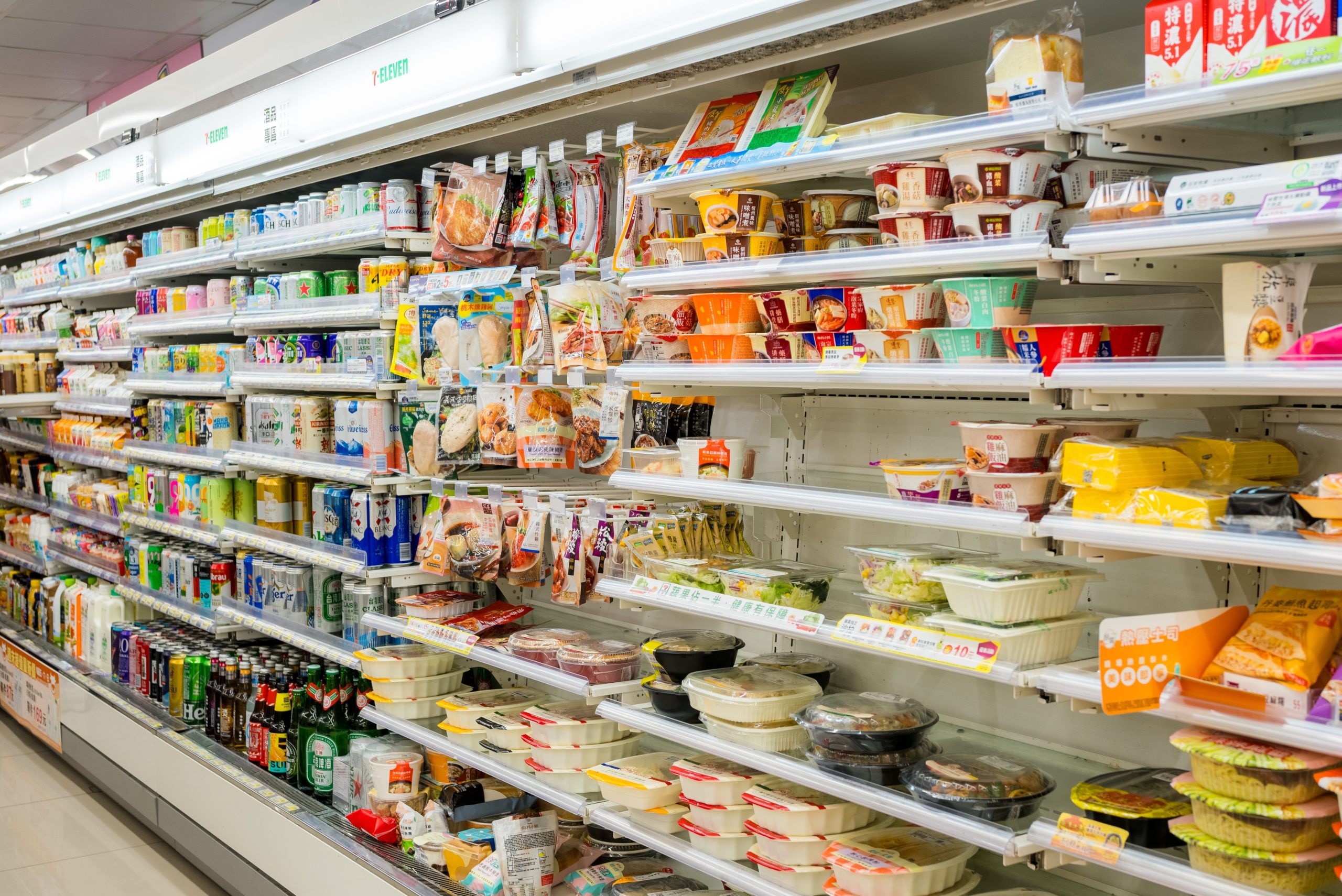
An aisle in a the refrigerated section of a convenience store.

My ADHD presents itself in a limited ability to plan (and eat) a meal. Between choosing a dish, sourcing ingredients, going to a grocery store, prepping, cooking…the thought alone overwhelms me and I barely make it past step one. I’m not alone: studies show that most people with ADHD have unhealthy relationships with food. Furthermore, myths around food intake—like reducing sugary foods or eliminating certain chemicals to reduce ADHD symptoms—send misguided messages about how to manage ADHD. 

And yet, the symptoms persist. The executive dysfunction disrupted my life to a point that I was either going hungry or running up a very expensive takeout bill. Something had to change, so I saw a nutritionist who specializes in ADHD. Here’s what I learned.

Reframing ADHD Symptoms

Before I could tackle the physical labor of the shopping-to-cooking-to-eating pipeline, I had to mentally reframe my ADHDness, as I’d been harboring internalized ableism for my inability to cook from scratch. 

I’d tell myself: Itemizing ingredients isn’t hard. Shopping for groceries isn’t hard. Chopping veggies, cooking, washing dishes isn’t hard. So just do it.

These statements, that I’d convinced myself would motivate me into action, were actually really harsh self-bullying. By holding myself to this unfair standard, I created a narrative that I was the problem. Once I reframed these tasks for what they were for me—impossible, herculean, really hard—I could open myself to ways I could lessen the load.

The Freezer Aisle Is Your Friend

It turns out I don’t have to chop the veggies, grate the ginger, or cook the meal. I can buy them already chopped or frozen from the freezer aisle. And guess what? It’s still food, still nourishing. Eating a meal is more important than not eating one at all. The freezer aisle is a treasure trove of quality food without breaking your mental load.

But What If I Can’t Make It to The Freezer Aisle?

On low bandwidth days, I’m too tired to think about cooking and just want to eat.  This next resource does require up-front labor, but the novelty helps create motivation: make a personal menu of your go-to foods. Mine is fashioned after a kids’ restaurant menu, with pictures of the foods I like. However, listing them on the Notes app to refer to works just as well.

I considered these questions when making my personal menu: what are my favorite meals? The foods I eat without hesitation? My “treat-yourselfs?” These can be microwaveable or even takeout. My menu includes yogurt, microwaveable ramen, Korean takeout, frozen fish sticks, brownies, and Dr. Pepper.

Stocking Your Pantry

After identifying my food favorites, there’s one herculean task left (luckily, just one): stock my pantry. I won’t always want to eat those foods but, on a hunger-driven time crunch, I thank myself for the foresight.

These are admittedly still labor intensive tasks, but I’m no longer wading through a wasteland. I have a roadmap that enables me to cook more often—not because it’s “better,” but because I have a craving and now the bandwidth to satisfy it. Thanks to this roadmap, I now eat full meals with, well, still with lots of effort but with less mental load and a less bleak outlook on what’s for lunch.

In a society that often marginalizes us, this jar is a quiet revolution. It celebrates our ingenuity and calls us to keep going. What will you add to yours?


Based in Los Angeles, Ashley Soto Paniagua (she/her) is a TV writer and founder of Me Dio La Gana Jewelry. You can find her on Instagram.

About Rooted In Rights

Rooted in Rights exists to amplify the perspectives of the disability community. Blog posts and storyteller videos that we publish and content we re-share on social media do not necessarily reflect the opinions or values of Rooted in Rights nor indicate an endorsement of a program or service by Rooted in Rights. We respect and aim to reflect the diversity of opinions and experiences of the disability community. Rooted in Rights seeks to highlight discussions, not direct them. Learn more about Rooted In Rights

The Disability Joy Jar: A Survival Recipe for Tough Days

Outdoors, day. A clear container with a dark blue top sits on a light blue and red surface. It is filled with strips of white paper with typed words on them. It's surrounded by potted green plants in the background.

When chronic fatigue or inaccessible spaces weigh me down, I turn to my Disability Joy Jar: a small mason jar brimming with scraps of paper, each holding a spark of joy or a survival tactic born from disability wisdom. This simple tool, built from navigating a world that often excludes us, is both my personal lifeline and a gift to our community. It’s a way to thrive and share resilience amid turbulent times.

The Joy Jar was born after a grueling day of endless forms and dismissive systems. Feeling defeated, I recalled late-night chats from a disability justice retreat—moments where we swapped hacks and hopes. I began jotting down ideas that keep me grounded. One slip says, “Stream that Deaf comedian’s special on YouTube—free, with captions.” Another: “Join my crip book club’s virtual meetup.” A third: “Listen to a library’s accessible audiobook by a wheelchair-using author.”

These notes, some pointing to digital resources like online communities or X posts by a Blind poet, are my rebellion against burnout. The jar is physical, but its contents bridge the tangible and digital, reflecting how we navigate both worlds.

Making a Joy Jar is easy and inclusive. Use any container: a jar, a box, or even a phone app. Write down strategies and resources that resonate, such as a link to a free virtual disability film festival, a reminder to join an online support group, or a tip to schedule rest like a sacred ritual. You can start today by picking one idea, like a note to celebrate a small victory or a link to an accessible workshop, and share your tips in community spaces—our resilience grows when we exchange it.

On a tough day, I pulled a note suggesting an accessible yoga class online, turning isolation into connection. By sharing these strategies in community forums or group chats, our wisdom grows, weaving the jar into our movements for liberation. This aligns with disability justice’s call for sustainability, ensuring we thrive as individuals to sustain our collective struggle.

In a society that often marginalizes us, this jar is a quiet revolution. It celebrates our ingenuity and calls us to keep going. What will you add to yours?


Shivank Pandey (he/him) is writer dedicated to fostering resilience and community among disabled individuals he shares strategies for thriving in an often inaccessible world, drawing from personal experiences and collective wisdom.

About Rooted In Rights

Rooted in Rights exists to amplify the perspectives of the disability community. Blog posts and storyteller videos that we publish and content we re-share on social media do not necessarily reflect the opinions or values of Rooted in Rights nor indicate an endorsement of a program or service by Rooted in Rights. We respect and aim to reflect the diversity of opinions and experiences of the disability community. Rooted in Rights seeks to highlight discussions, not direct them. Learn more about Rooted In Rights

(Junk) Journaling Toward Connection

A photo of a pile of writer Cavar's junk journals. They're situated in a light green nook, stacked on top of each other.

Sometimes (oftentimes) writing is the kind of thing we need to back ourselves into. Facing forward, diving in, especially from great proverbial heights, is simply Too Much—for those who don’t see themselves as writers and, perhaps even more so, for those who do.

As a writer, I’ve never struggled with the blank page per se. My struggle rests more solidly in the messy page, the “useless” page, or the “unproductive” page. While anxieties over whether or not my drafts will ever be worth reading remain pervasive even through books, contracts, and praise, there is also a critical space of respite in my writing life that I’d like to share with you: my “junk” journal.

I started journaling daily when I was 11. I spent all of my adolescence doing so in the simplest possible way: opening a notebook, writing some things about my day (sometimes only a sentence’s worth), signing off. It was tedious, but I’m stubborn and hate change, so I continued writing carelessly—often illegibly—through my adolescence. 

When I moved to college, I anticipated homesickness, so made an agreement with my mother to change up my journaling practice: every day, I’d write three to five things that happened that day (usually good, often small) and send her a picture of the page. It was in these moments that my

17-year-old self realized that the “solo” act of journaling was in fact a space of profound connection.

Of course, one connection that I strengthened was the one with my mother, who I was eager to form an adult relationship with after years of tension related to my psychiatric crises. But, as I wrote, there were also other, subtler connections realized between the pages of that journal. I understood the importance of my newfound friendships, the transformative impact of my now-open trans life, and my personal and creative growth in a space away from home.

This creative growth has manifested in a number of ways since my undergraduate years. Now, at twenty-six and nearly finished my PhD, each of my journals remains an archive of complaints, jokes, and vital moments of gratitude. It has also, crucially, become a house of junk. By junk, I refer affectionately to receipts and plane tickets, stickers and greeting cards, characters and illustrations cut out of packaging. Anything that can be (washi) taped into any notebook is fair game, especially if it carries emotional weight.

These pieces of junk help to accessorize my journal. They offer me the opportunity to tape and stick when I don’t feel like writing much. They also remind me of my connections to other people, my experiences both past and potential, the relationships and opportunities that not only make these journals worth keeping, but also make my life worth living.

As a disabled, Mad writer, I’ve been asked many times whether I maintain my journal as a form of catharsis for what may be paternalistically described as my “racing thoughts” and “big feelings.” While conventional “mental health” advice typically invokes the journal as a method for coping with extreme emotions or overwhelming thoughts, my experience has been quite the opposite: digging too deep into fresh thoughts and emotions is more likely to amplify a crisis than to mitigate it. When I write my feelings, I do so on my own timeline, sometimes years after a given event occurred.

Beyond this, my experiences of surveillance and institutionalization are a grim reminder of the risk I take by putting pen to paper, even now, as an adult who lives independently. For those of us who have been taught not to trust our own perceptions, or for whom journaling has at times been a requirement to fulfill “for our own good,” reclaiming the page as a space for junk can be a political act. My journal is not a confessional, but an archive of things that would otherwise have been thrown away, largely disposable things that I have instead chosen to keep and even treasure.

We are the sum of our connections and experiences. The practice not only of journaling, but of junk journaling, can help us move beyond the feelings of isolation and dread associated not only with the blank document, but within a world hostile toward disabled and Mad experiences. Yet the blank document can also pose near-infinite possibilities for those of us accustomed to stories pre-written for us, those of us aching to break out of normative frameworks of value. In this way, my journal is a supplement to the rest of my writing, reminding me that I am the one who gets to choose what I put on the page, and when, whether it’s an emotional passage, a sticker, or an old grocery list.

It’s okay to be overwhelmed by the idea of journaling, of staring down the blank page and eventually putting something on it. Rather than waiting for the perfect moment, consider grabbing a pen, tape, and some junk, just to see what happens. Even in moments of darkness, the page can be a place to document the quotidian joys and tiny artifacts life always has to offer us, and serve as a necessary reminder that we get to choose if, when, and how to tell the stories of our lives.


[sarah] Cavar (they/them) is the author of Failure to Comply (featherproof books, 2024) and Differential Diagnosis (Northwestern University Press, 2026), with genre-nonconforming writing in Kairos, The Rumpus, Transgender Studies Quarterly, Electric Lit, and elsewhere. They hold a PhD in Cultural Studies with a concentration in Science & Technology Studies from the University of California: Davis, and are interested in the politics of queercrip & transMad knowledge production. More at their website, Bluesky, and their newsletter.

About Rooted In Rights

Rooted in Rights exists to amplify the perspectives of the disability community. Blog posts and storyteller videos that we publish and content we re-share on social media do not necessarily reflect the opinions or values of Rooted in Rights nor indicate an endorsement of a program or service by Rooted in Rights. We respect and aim to reflect the diversity of opinions and experiences of the disability community. Rooted in Rights seeks to highlight discussions, not direct them. Learn more about Rooted In Rights

Letters of Connection: Building Disabled Community Through Snail Mail

A brown-skinned Black person with manicured fingernails sits at a desk. Seen from the chest to the waist, they're holding a black pen, adding a signature to the bottom of a letter. They're wearing an orange cardigan with a dark-colored polka dot top underneath.

“No one is healed in isolation…we heal in community.” ― bell hooks

I came to love myself as a disabled woman within the intimacy of community. When safety and belongingness seemed absent, community among my disabled kin—whether digitally or in-person—was always present. I believe that it’s in the refuge of the community that disabled people will find rest, hope, and peace during these politically heightened times.

Over the years, I’ve internalized the wise words quoted above from Mother bell hooks when thinking about strategies for giving back to the larger disability community. This is why I’ve created the Dear Friend Mailing Collective—a snail mail community created to build morale among disabled people of marginalized genders. Those who are interested in being a part of this community can subscribe via our form. All we need is your name and address so we can start sending snail mail directly to your mailbox. 

The critically acclaimed movie The Six Triple Eight expertly illustrates the power of mail. This all-female Black battalion distributed over 17.5 million letters during World War 2—all because they understood the value of community building through letters! Who understands community building more than oppressed groups, like disabled people? Nothing about us without us, right?

Disabled people have long been at the forefront of shaping the true essence and value of communal spaces in the United States. Because external support has often been inaccessible, disabled communities have relied on internal resources to survive and thrive. In my own life, whenever I encountered gaps in knowledge or barriers to access, it was the disability community that supplemented my educational experiences.

Within this community, I learned to advocate for myself, developed skills in research and accessibility, and embraced the importance of safety and reciprocity. As the community continues to evolve, it remains my greatest teacher, and I, its lifelong student.

During the first wave of the Disability Rights Movement, the 504 sit-ins showed the world firsthand the power of our community. We exemplified this dedication by working with other marginalized groups such as the Black Panthers who, during the sit-ins, helped distribute meals to hungry advocates. Disabled people will continue to forge on and create pathways of community long after the political wars are over. Because community is who we are and what we embody.

Community forges the bridges that help us all to walk, roll, and be cared for. In a world that often overlooks the need of disabled people of marginalized gender for intimacy and connection, a letter can be a lifeline—a tangible form of care. Especially for those of us navigating isolation, snail mail offers a presence that digital messages might fail to hold. It’s the opposite of urgency—it is patience, care, and rest. Letter writing is a slow, deliberate act of love.

So, in these uncertain times, my strategy is simple: cultivate circles of friendship through letters and kind words. I may not be able to change the world or shift policies overnight. But I can control the words I put into the world—and I choose to make them life-giving. Here’s to the letters we will write and receive. May we be healers behind the pen and liberators behind the page.

Inhale: We all need friendship and community.

Exhale: Let our communities be a place of refuge and peace.


Rasheera Dopson (she/her) is a disability advocate, researcher, and digital storyteller dedicated to advancing equity for women and girls with disabilities. She is a PhD student at Northern Arizona University and the founder of the Womanhood and Disability podcast, where she amplifies stories at the intersection of disability and womanhood.

About Rooted In Rights

Rooted in Rights exists to amplify the perspectives of the disability community. Blog posts and storyteller videos that we publish and content we re-share on social media do not necessarily reflect the opinions or values of Rooted in Rights nor indicate an endorsement of a program or service by Rooted in Rights. We respect and aim to reflect the diversity of opinions and experiences of the disability community. Rooted in Rights seeks to highlight discussions, not direct them. Learn more about Rooted In Rights

The Next Inevitable Disaster: Emergency and Disaster Preparedness for Disabled Folks

Indoors, day. In a living room, a coffee table sits with a backpack, plastic water bottles, rolls of tissue, a flashlight, crackers, and other assorted items on top of it.

Consider me cursed or consider me lucky but, in just under three decades, I’m now up to surviving 13 out of the 18 natural hazards listed on the National Risk Index. After the Los Angeles wildfires of January 2025, I’m dreading the others.

I grew up with heat waves and hurricanes in south Texas but since then I’ve moved from city to city following my schooling and writing dreams. Each city has had its own, new weather pattern that I’ve had to prepare for. Occasionally, I was cohabiting with a partner or living with a roommate. But oftentimes, due to estrangement from my family and impending breakups, I was living alone—as I am now.

The first sustained subzero temperatures I experienced co-occurred with contracting a neuroimmune disorder while living in my first solo apartment. Afterward, I knew I’d be unlikely to have immediate support when anything disastrous occurs.

In fact, the recent fires in LA sobered many of us up when it came to accepting the new, unpredictable chapter we’re living in. It reminded me that, well in advance, I must remain prepared as a single, disabled person who lives alone. Here’s how you can, too.

#1: Have your go-bag ready. If you had to leave right now, what would be most crucial for you to have on hand? In my bag, I’ve kept:

  • A bit of food for me and my pup, though we could always share the SPAM
  • Documents and medication that are hard to replace, including a copy of my lease
  • A cozy outfit or two
  • A spare pair of glasses
  • Some candles, batteries, and duct tape
  • A pack of tarot cards (because you never know when you’ll need ‘em)

As time has gone on without any trouble, I’ve cycled out the clothes and food inside but left a little at all times. I want to be ready on a whim. Other material items do hold sentimental value but your life is most important. You can always replace lost things via donations, thrifting, or your local BuyNothing or Freecycle networks.

#2: Be your own judge and jury. Is it time to leave? Unfortunately, you cannot wait for federal or local governments to speak up. Los Angeles accidentally sent out multiple mistaken evacuation texts to areas that didn’t need to leave. Some that did need to go never got them. You’ll have to be diligent in keeping an eye on the news and weather near you using apps like Watch Duty or Storm Tracker.

It also helps to follow a few hobbyists. After Hurricane Harvey, many Houstonians turned to Space City Weather. In January, Altadena was lucky to have Edgar McGregor. Small-time meteorologists and seismologists publicly track these events out of pure interest, rarely exaggerating for clickbait. Is there someone like that in your area?

#3: Community is a requirement. Yes, we’re lone wolves but, clearly, no one can do it completely alone. Seek out the helpers. Local mutual aid groups were the fastest responders during every disaster I’ve endured (especially Mutual Aid Los Angeles Network). Find yours! Ask if they have a group chat you can join, a contingency plan, or a disaster hotline. They may come in clutch should you need emergency transportation, sidewalk shoveling, or legal support.

Now, fly, my pretties! Ready yourself for the next inevitable natural disaster to grace us with its presence. I’m personally bracing myself for a major earthquake, given that even the tiny ones leave me quaking long after they’ve ended. But I do have slight peace of mind knowing how to look after myself and where to turn should I have to endure them. 

We can’t control nature, we just stay ready so we don’t have to get ready.


Danielle Brown (she/they) is a Black queer writer living in Los Angeles, CA. You can find more about them at their website.

Rooted in Rights exists to amplify the perspectives of the disability community. Blog posts and storyteller videos that we publish and content we re-share on social media do not necessarily reflect the opinions or values of Rooted in Rights nor indicate an endorsement of a program or service by Rooted in Rights. We respect and aim to reflect the diversity of opinions and experiences of the disability community. Rooted in Rights seeks to highlight discussions, not direct them. Learn more about Rooted In Rights

Bullseye

A fair- or possibly light-skinned person seen from the neck to the hips. She's wearing a tan or light pink top with a burnt orange cardigan over it and blue jeans with a light brown belt. With shoulder length dark hair, she reaches out her hand for a handshake and friendly 'Hello."

“Yep, I’m partially blind.”

“No, glasses don’t help.”

“Yes, I can get around on my own, in familiar places.”

I do not begrudge for a minute the questions I’m asked anytime I meet someone new and, for example, they see me trying to read. I’ve subconsciously developed a sort of scripted response to the more common questions about my disability.

It goes something like this: “I have bullseye macular dystrophy. It’s a blind spot, shaped in rings, right in the centre of my vision. If I look directly at you, I can’t see you. If I look up, I’m not rolling my eyes; I’m just trying to see your face in case I missed a cue in an expression.”

I hold my fist up in front of my eyes to demonstrate, then I continue. “It’s like macular degeneration, but different. So if I see you and don’t smile or say ‘Hello,’ it’s not because I don’t want to. I just don’t know that it’s you.”

I love talking about my vision: the way I see fascinates me but, more importantly, it’s very useful to me for people around me to understand that I can’t see like them.

I never know who’s around me unless they’re where I normally see them or someone whispers the name of the person approaching. Or, my favourite, when people say “Hi Leslie, it’s [insert name].” I can’t tell you how much of a joyful relief it is when people initiate contact and identify themselves early. Otherwise there’s a very awkward period of trying to guess and not knowing how to act.

It’s hard for me to initiate contact because I’m unable to see faces, so I don’t know if I’m smiling at a person or a bush. For months, I smiled and waved at my neighbour who was always in the same place in his yard, only to later discover that it was actually his garden hose hung on the wall.

It can be lonely. So I cherish the opportunity to “explain about my eyes.” It adds that person to my small, sometimes isolated world—one more person I don’t have to worry about accidentally offending by not saying hello. I can breathe a little easier.

I don’t know if others with a disability feel the same way , but it seems to me that well-intentioned questions are useful and kind, even if they do get a little repetitive. Sadly, there’s no real set of rules to follow when talking to someone about their disability. Even the golden rule doesn’t apply because you can’t know how you would feel in that person’s situation. Everyone is different.

But don’t let the uncertainty deter you. Just like with anyone you talk to, take cues from them, try not to make assumptions about someone’s needs or beliefs, apologize if you cause offence, even if you don’t understand why. 

But most of all, please don’t avoid the conversation just because it might be awkward for a moment. 

As I said once on social media while letting more friends know about my diagnosis: “I look like I can see you, but I can’t see you. If you see me, please say hello. Whoever you are, I miss you.”


Leslie Schmidt (she/her) is an American-born Australian, mother, sculptor and crafter. She has a Bachelor of Visual Art from Monash University. Leslie specialises in making custom, weighted stuffed animals to help with anxiety or sensory sensitivity (or as a baby stats keepsake).

Rooted in Rights exists to amplify the perspectives of the disability community. Blog posts and storyteller videos that we publish and content we re-share on social media do not necessarily reflect the opinions or values of Rooted in Rights nor indicate an endorsement of a program or service by Rooted in Rights. We respect and aim to reflect the diversity of opinions and experiences of the disability community. Rooted in Rights seeks to highlight discussions, not direct them. Learn more about Rooted In Rights
The Cost of Comfort: Paying the Price for Dietary Accommodations

An illustration of a basket of various produce surrounded by a red glass bottle, a slice of a block of cheese, French bread, a wallet, and either a debit or credit card. Above that is a red line from a traditional chart or graph trending upwards.

EDITOR’S NOTE: This blog discusses the added cost of dietary restrictions in day-to-day life. RiR also wants to acknowledge that dietary restrictions and allergens can be a matter of life or death. Having safe access to food is a disability issue and not taking accommodations seriously leads to tragedies like the recent death of Disney influencer Dominque Brown.

I stumbled upon this cozy little café in Puerto Vallarta that had the perfect vibe: a swinging chair, cute plants hanging from the walls, and a warm, inviting atmosphere. Best of all: everything on the menu was entirely gluten-free. I treated myself to a bacon-wrapped shrimp burger, refreshing hibiscus lemonade, and a rich chocolate mousse that felt like a slice of heaven. As someone with Celiac disease, finding a spot like this felt like winning the jackpot—it was one of those rare places where I could indulge without worrying about gluten sneaking into my meal.

Eating out as a Celiac is often a nerve-wracking experience. It’s a dance of conversations and questions that can be exhausting, especially when you’re just trying to enjoy a meal. Even the tiniest trace of gluten can set off an entire health crisis for me. Over time, it can lead to some serious complications. So, when I find a restaurant that gets it, it’s like finding a hidden gem.

Unfortunately, most of the safe options tend to be on the pricey side. It seems like the fancier the place, the better the staff understands food allergies. This gives me peace of mind, as I’d rather shell out a few extra bucks than risk my health. But let’s be real: those extra costs can add up, whether I’m traveling or just grabbing a bite out locally.

This issue isn’t exclusive to people with Celiac disease; it affects anyone with dietary restrictions or health conditions. For example: at many coffee shops, if you choose almond milk instead of regular milk, there’s often a $1.00 surcharge. While a dollar might not seem like much, it’s about the principle. It can also add up.

Almond milk costs the same to produce as regular milk, so why should people with dietary needs be penalized for having a health condition? If it does cost more to make alternative products, some countries or government systems would cover the difference for individuals with chronic health needs, similar to how insurance pays for a sick person’s medication.

But those with conditions like Celiac, irritable bowel syndrome (IBS), or lactose intolerance are left to cover the extra costs on our own. This can be a significant burden for those already struggling financially. Rather than trying to profit from people’s disability, our system should offer support and equity. It should be standard to provide reasonable accommodations as part of ethical business practice.

For one, governments or organizations could provide subsidies for products that cater to specific dietary needs, such as almond milk. Retailers and manufacturers could adopt inclusive pricing strategies that ensure no additional charges for people requiring alternative products due to health conditions.

Health insurance plans could also cover the costs of specialized foods, medications, and treatments for chronic health conditions, similar to how they cover other medical expenses. Lastly, companies could provide transparency about the cost of producing alternative products to address misconceptions about pricing.

Combining these strategies could lead to a more equitable—and safer—environment for those of us for whom food can be a minefield. I dream of a world where that cozy little café is commonplace. I dream of a Puerto Vallarta for all.


Eleni Stephanides (she/her) is a Spanish interpreter and freelance writer living in Oakland, CA. She has been published in LGBTQ Nation, Them, Elephant Journal, Tiny Buddha, Introvert Dear, Peaceful Dumpling, and The Mindful Word, among others. In her spare time, she enjoys wandering through nature, reading fiction and mental health content, speaking Spanish, and petting cats. You can follow her on Instagram and Medium.

Rooted in Rights exists to amplify the perspectives of the disability community. Blog posts and storyteller videos that we publish and content we re-share on social media do not necessarily reflect the opinions or values of Rooted in Rights nor indicate an endorsement of a program or service by Rooted in Rights. We respect and aim to reflect the diversity of opinions and experiences of the disability community. Rooted in Rights seeks to highlight discussions, not direct them. Learn more about Rooted In Rights

Doing Harm: How The Remnants of “Hysteria” Impact Chronically Ill People

Indoors, day. A white woman with shoulder-length dark hair wearing a white top and jeans is holding her lower back with her right hand, in excruciating pain, while standing in front of a beige couch tightly holding onto its arm with her left hand.

EDITOR’S NOTE: We want to acknowledge that, like many societal institutions, scientific and historical research often leaves trans, non-binary, and gender non-conforming people out, erasing our identities and disparities. As a result, though attempts have been made to use language that is as inclusive as possible, articles and essays like the one below are often forced to use language that is limiting to accurately convey the available data as it has been published (whether historical or present-day). But our commitment to highlighting and uplifting trans, non-binary, and gender conforming people and their work remains.

The word “hysteria” inherently evokes misogyny. Deriving from the Greek word for “uterus,” it was used in ancient Greece as a diagnostic label for women with symptoms ranging from dizziness to paralysis and menstrual pain—all of which were attributed to a “wandering womb.” Throughout history, the label was given to women who were perceived as unreasonably ambitious, attention-seeking, neurotic, or sexually dissatisfied. In Freudian times, it eventually evolved to refer to a mental disorder thought to primarily affect women, causing physical manifestations.

In an age of medical advancement and greater attention to gender equity, most of us would consider this gendered catch-all diagnosis for unexplained ailments to be unthinkable. But chronically ill people of marginalized gender identities, and just about anyone with a chronic health condition that disproportionately affects women, can attest that modern medicine hasn’t progressed as far beyond the hysteria diagnosis as one might expect.

I’ve crossed paths with countless people whose disabling physical symptoms were initially attributed to a variety of psychological explanations— from anxiety to repressed trauma. Many were given diagnostic labels that were essentially equivalent to hysteria by a different name, before years later receiving correct diagnoses of chronic illnesses that disproportionately affect women, like endometriosis or postural orthostatic tachycardia syndrome (POTS). 

I, myself, can vividly recall sitting in a doctor’s office exam room at 14 years old, desperately hoping that this visit would be the one to finally provide an explanation for my severe abdominal pain that had suddenly begun months prior and never dissipated. Instead, the gastroenterologist declined to order any tests, impatiently telling my mother that anxiety is common in teenage girls and recommending psychiatric medication.

As my health declined further in early adulthood, I learned that chronic illnesses like myalgic encephalomyelitis (ME), a neuroimmune disease that mostly impacts women, have been especially plagued by these stigmas, and people with ME are still forcibly institutionalized in psychiatric facilities around the world. As the COVID-19 pandemic has brought similar infection-triggered chronic illness experiences into mainstream public discourse, it’s been disturbing to witness some healthcare professionals speculate that Long COVID is a form of “mass hysteria,” despite an abundance of scientific evidence to the contrary.

These mislabellings are harmful, not because there is anything shameful about the possibility that someone could be living with a psychological condition. Rather, what is shameful is that women and other people of marginalized gender identities are still treated as unreliable reporters on our own bodies. It is harmful because this gendered misdiagnosis obstructs access to necessary medical care, disincentivizes biomedical research on certain diseases, and even prevents us from seeking support for comorbid mental health symptoms out of concern that doing so could further damage our credibility. 

In her book Doing Harm, Maya Dusenbery explores the self-perpetuating cycle of bias and scientific neglect that keeps us stuck in the dark ages of gendered medical gaslighting: “Women’s symptoms are not taken as seriously because medicine doesn’t know as much about their bodies and health problems. And medicine doesn’t know as much about their bodies and health problems because it doesn’t take their symptoms seriously.”

In order to truly leave the days of the hysteria diagnosis behind, we need to address what Dusenberry refers to as the “knowledge gap” and the “trust gap.” We need more research and medical education on conditions that disproportionately affect women. And, we need a radical deconstruction of the gender biases in healthcare that perpetuate the dismissal of our pain.


Anonymous (she/her) is a nonprofit professional and chronic illness advocate based in New England.

Rooted in Rights exists to amplify the perspectives of the disability community. Blog posts and storyteller videos that we publish and content we re-share on social media do not necessarily reflect the opinions or values of Rooted in Rights nor indicate an endorsement of a program or service by Rooted in Rights. We respect and aim to reflect the diversity of opinions and experiences of the disability community. Rooted in Rights seeks to highlight discussions, not direct them. Learn more about Rooted In Rights

Fired During Accommodations Application: Reflections from A Black Autistic Worker

A Black person with short dark hair and glasses in a light-colored, short-sleeved shirt seated indoors at a laptop with a look of dismay on their face, hands clasped together covering their mouth.

One of my greatest dreams is financial security. Not just so I can live my life well, but so I can dream about living. Period. Also, financial security almost guarantees health insurance; my medication costs $300-1,000 per month without insurance.

When I couldn’t be claimed on my parents’ plan anymore (which is in itself a privilege), all I could think whenever I clocked in at any job was, “I get to stay in therapy. I get to take my meds. I get to keep breathing.”

Four years ago, I quit my customer service job because masks weren’t enforced. Thankfully, I found an apprenticeship that would start within two months and allow me to get my Associate’s degree and work virtually. 

I spoke at a global panel on invisible disabilities about four months into the second year of my apprenticeship. Colleagues reached out to me afterwards asking for resources and looking for support. I felt like I’d finally figured out a place where I could fit in at this company. 

Three months before my scheduled graduation from the program to full-time employee, I came across a work email that mentioned an institution known for child abuse. I had a PTSD flashback and requested the rest of the day off. I’d never done this before—tell someone the truth in a way that could help me. But this time I asked for help. In hindsight, I feel like I made a terrible mistake. 

Less than a week later, I was put on probation. Then I got COVID. I struggled with tasks that I’d already needed help with in the past; COVID brain fog and exhaustion made it worse. I explained to my bosses that I needed more time, more help. They encouraged me to take care and get better. My career counselor, God bless her, helped me update my accommodations request (closed captioning, extra time to respond) and apply for FMLA (Family and Medical Leave Act).

In 2023, across all levels of education and age groups, people with disabilities were much less likely to be employed than their counterparts without disabilities. As an organization that played up its commitment to diversity and inclusion, I’d hoped that there’d be more understanding as I attempted to find my place at work.

But, as shown in many companies, “diversity and inclusion” is more of a box to check off than a commitment to fulfill between employer and employee. This is extremely dangerous as Black disabled people are among the communities recorded to have high unemployment rates. Coupling that with anti-Blackness and misogynoir can make living day-to-day extremely difficult, if not near impossible.

Less than a week after I had gotten off the phone regarding my FMLA application, I was fired. When they pulled me into the Teams meeting to fire me, they didn’t even alert my counselor so that she could support me. It wasn’t the worst they could’ve done. At least they remembered to turn the captions on. 

Refusing to adhere to a person’s accommodations eliminates a person’s autonomy, making it difficult—if not impossible—to show up in a space. I couldn’t show up for work because I was spending energy meant for accomplishing tasks to advocate for my right to exist.

I’ve advocated for myself and others in work situations before and I’m tired. I’m tired of being seen as less than (not just due to disability, but race, gender, and sexuality–which are inextricably linked to and inform my disability). I’m tired of doing the work to be seen whereas others are treated as human without a second thought. I’m tired of my work being punished and I’m tired of being punished when I’m too burnt out to do the work necessary to be seen.

I’m something beyond exhausted and have been for years. And still…it’s not enough. I write, advocate, and show up and the world still tells me and my communities that we aren’t enough. What else can I possibly do?


A. Tony Jerome (they/them) is a Black, autistic multi-disciplinary artist. An Aardman Academy Stop Motion I graduate and 2024 Game Devs of Color speaker, you can find their work in The BreakBeat Poets: Volume 2, baffling magazine, and Freezeray Poetry, among others. They’re here to do good and do gay. You can find them at atjscreams on Bluesky and on their website.

Rooted in Rights exists to amplify the perspectives of the disability community. Blog posts and storyteller videos that we publish and content we re-share on social media do not necessarily reflect the opinions or values of Rooted in Rights nor indicate an endorsement of a program or service by Rooted in Rights. We respect and aim to reflect the diversity of opinions and experiences of the disability community. Rooted in Rights seeks to highlight discussions, not direct them. Learn more about Rooted In Rights

True Advocacy for Dwarfism Awareness Month

A young, long-haired brunette woman with dwarfism wearing brown sandals, denim shorts, a gray vest, and a straw handband on her shoulder walks outdoors in front of a dark gray wall.

CONTENT NOTE: contains derogatory slur related to community

October is Dwarfism Awareness Month. Not many people know this, but you can be forgiven for that; there are so many days and months that are now dedicated to raising awareness for certain causes. For example, October is also Down Syndrome and ADHD Awareness Month.

But are these events actually effective? Or are they token gesture events that are forgotten about by the end of the month? The derogatory representations, such as “midget” wrestling continue and the inaccessible buildings still stand. Thus, if we want true awareness, we need to fight any inequality—no matter how uncomfortable it may make us—all year round. 

During Dwarfism Awareness Month, my social media feed will become inundated with posts trying to raise awareness about dwarfism: from stating that “there are over 200 types of dwarfism,” to posting pictures of trident hands, a common feature for people with achondroplasia. Whilst it is awareness, it does not do anything to change attitudes towards dwarfism.

A picture of a trident hand will not change society’s perception of dwarfism. Furthermore, what is the point of telling people there are 200 types of dwarfism? It will not change attitudes or challenge inequalities in society that people with dwarfism regularly encounter.

Maybe, for someone partaking in dwarf tossing, they might wonder which of the 200 types the person they are tossing has. Furthermore, not many other people will see these posts, except for people with dwarfism like me. What others see are mostly derogatory representations of dwarfism that are prevalent throughout the rest of the year and shape how we are perceived. 

Aside from these posts, Little People of America (LPA)—the world’s largest association for people with dwarfism—has designed a dwarfism pride flag. The flag is a combination of various shades of green blocks with a blue spine down the edge. LPA’s online store sells all sorts of merchandise specifically featuring the new pride flag, which you can buy to show your support for dwarfism awareness.

But how does a green flag promote awareness? Like the various LGBTQ pride flags, will it just be adopted by companies as a token gesture of support? An easy way to show support without tackling any of the injustices we experience? If I use the tote bag for shopping, will it mean that supermarkets will suddenly consider my access needs? Or will it stop other customers from pointing and staring at me? Of course not. 

We need to be raising awareness throughout the year—challenging misconceptions that have been around for centuries, which cannot be done with flags, t-shirts, and pictures of trident hands. So for Dwarfism Awareness Month, I won’t be doing any of that because it’s ineffective. Instead of the same routine, we need to be advocating for good examples of representation, like Kiruna Stamell in the BBC drama “Doctors” or Peter Dinklage in “Game of Thrones.”

And, perhaps most importantly, we need to be holding society accountable for the harm caused to our community, like the work I’ve done campaigning for various confectionery companies to drop the slur “midget” from their branding. Another great example is the work of Angela van Etten, who has worked to ban the “entertainment” practice of “midget tossing.” Real change comes from advocacy that challenges the status quo. Real activism comes from calling out and challenging everyday inequalities.


Dr Erin Pritchard (she/her) is a senior lecturer in Special Education Needs (SEN) and Disability Studies at Liverpool Hope University. She is also a core member of the Centre for Culture and Disability Studies. Her work specialises in cultural representations of dwarfism and how they shape social attitudes towards people with dwarfism. Her books include: Dwarfism, Spatiality and Disabling Experiences; Midgetism: The Exploitation and Discrimination of People with Dwarfism; and Dwarfism Arts and Advocacy: Creating Our Own Positive Identity.

Rooted in Rights exists to amplify the perspectives of the disability community. Blog posts and storyteller videos that we publish and content we re-share on social media do not necessarily reflect the opinions or values of Rooted in Rights nor indicate an endorsement of a program or service by Rooted in Rights. We respect and aim to reflect the diversity of opinions and experiences of the disability community. Rooted in Rights seeks to highlight discussions, not direct them. Learn more about Rooted In Rights

For Chronically Ill People, The Path to Financial Security Is Anything But Straight

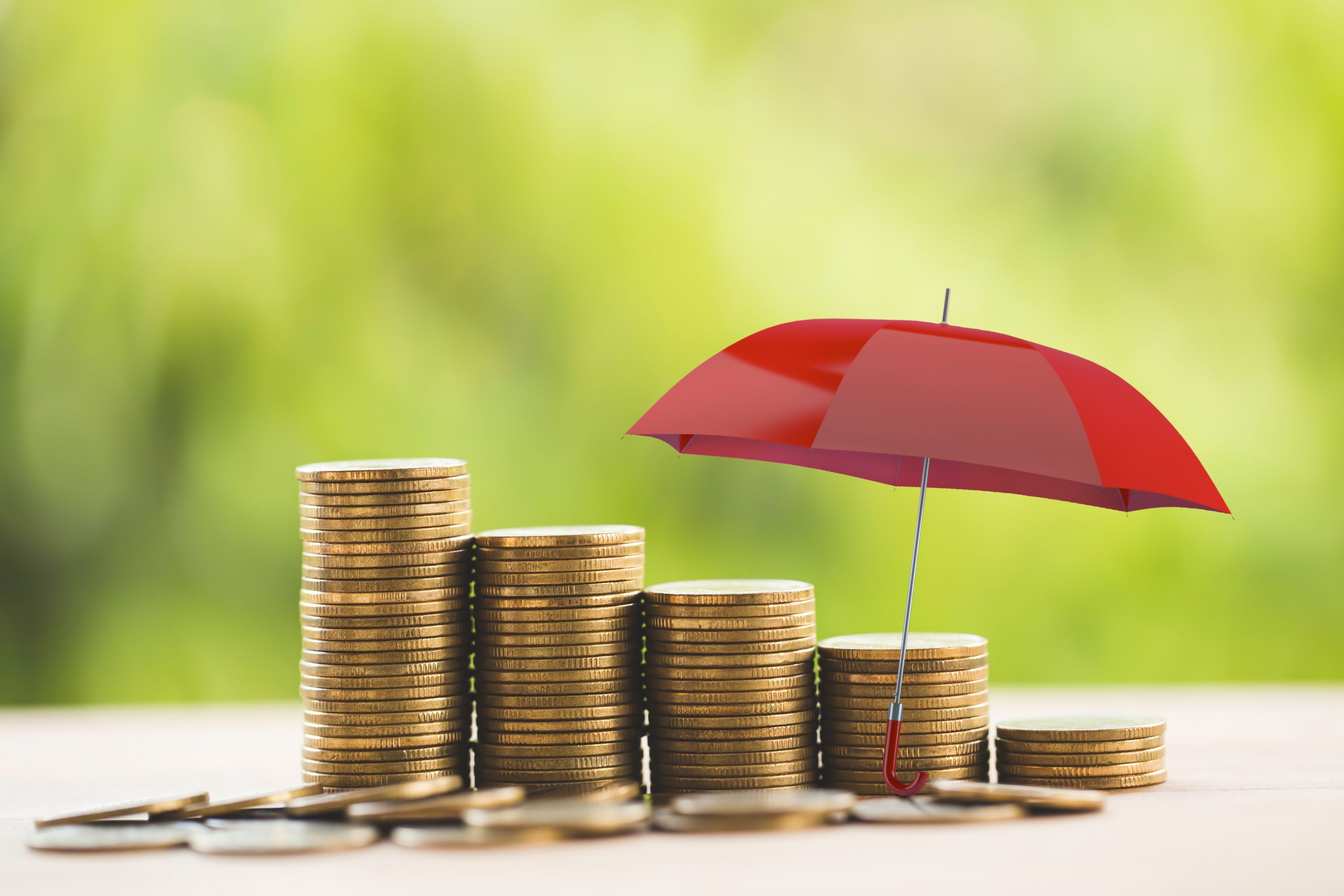
Outdoors, day. A tiny red umbrellla sits on a table. It is partially protecting five stacks of gold coins, organized from left to right from the biggest to the smallest stack. Some unstacked gold coins are strewn around the stacks.

At age twenty-nine, I sat in my doctor’s office. I’d spent the year relearning to walk, read, and function as an adult again—after battling severe brain inflammation, for the second time in my life, caused by my chronic illness. “Every five to six years, you are likely to get this sick again,” my doctor told me gently.

As I walked out of the office, one worry hovered over me like a storm cloud only I could see. As a single woman without a family to provide me with financial support, how could I possibly stay afloat? 

After that appointment, I began checking my bank account multiple times per day. I rarely go shopping or take vacations, instead pinching every penny in anticipation of the years in which I’m unable to work. I accept nearly all the freelance work that comes my way, squirreling the money away in my savings account. Even at my healthiest, the daily symptoms of my disease prevent me from working full-time. Other people might see a childless woman with no dependents when they look at me. But in reality, I have a dependent: the sickest version of myself. 

Many people in the U.S. see Social Security Disability payments as a cure-all for people who are too sick to work. But, as someone who has both been on disability and written articles about it, I know firsthand that Medicaid and Social Security Disability do not adequately meet the needs of the dynamically disabled.

The obstacles to being approved for SSI and SSDI are substantial and include: needing to be disabled for at least six months before applying and a time-consuming and often expensive application process. At best, being approved for disability benefits results in low payments that force recipients to give up even part time work or live below the poverty line. Chronically ill U.S. residents like me, who spend some years able to work and some years suddenly unable, frequently fall through the cracks. 

My anxiety about not having enough money during the years I can’t work drives me to devour financial vlogs looking for help and advice. I spend hours calculating and recalculating how little I can live on and for how long. I’m terrified of not having enough to support myself when I’m inevitably too sick to work. Meanwhile, my nondisabled peers are increasing their net worth through steady employment and raises, contributing to retirement, and building equity in real estate.

The U.S. is a country that values productivity and assumes a straight path from the start of one’s career to retirement. For those like me whose careers are frequently interrupted due to health issues, this path is less straightforward and effectively prevents us from building wealth. If the financial road that I and other dynamically disabled people travel had a warning sign, it would say: Expect Frequent Stops.


Meghan Beaudry (she/her) lives with lupus and is a patient advocate for lupus.net. Her essays have been published in NBC Today, HuffPost, and Salon. She is working on a memoir about her recovery from autoimmune brain trauma.

Rooted in Rights exists to amplify the perspectives of the disability community. Blog posts and storyteller videos that we publish and content we re-share on social media do not necessarily reflect the opinions or values of Rooted in Rights nor indicate an endorsement of a program or service by Rooted in Rights. We respect and aim to reflect the diversity of opinions and experiences of the disability community. Rooted in Rights seeks to highlight discussions, not direct them. Learn more about Rooted In Rights

When Disabled Adults Care for Disabled Youth, Everyone Prospers

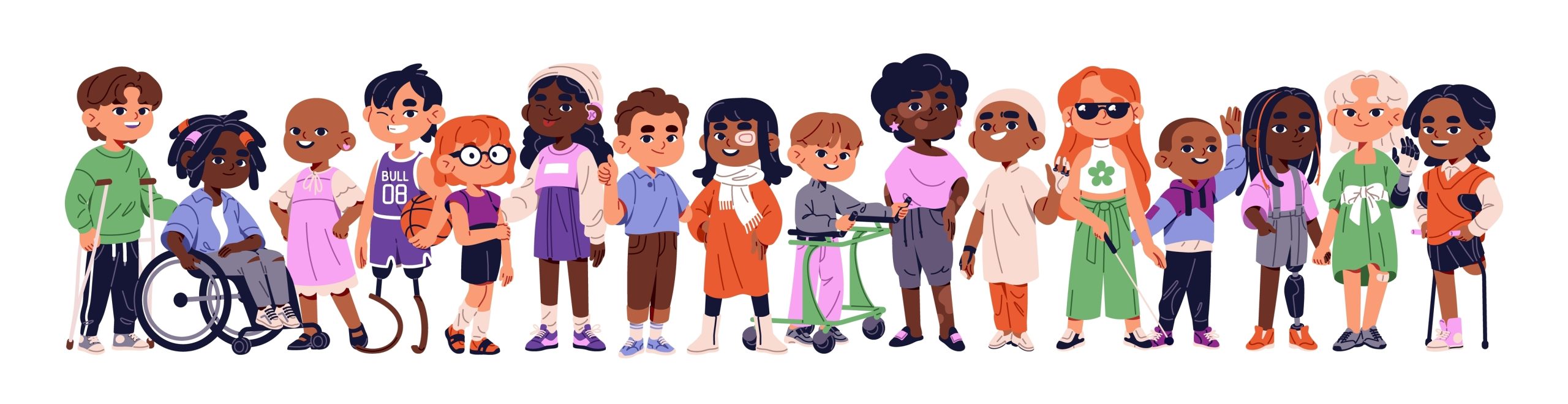
Colorful diverse and inclusive illustration of children. The kids range in disabilities from cancer to amputated limbs and blindness. Mobility aids include a wheelchair and crutches. The kids are various heights and skin colors.

At my community’s youth-facing arts organization, there are no normal days. There are days when poetry prompts turn to discussions of love and worth, days when youth are too exhausted to do anything but curl up in a corner with a Switch, days when they swap hyperfixations instead of paint brushes. And there are days when I, and the other disabled adults running these programs, wake up the morning of a workshop with pain, fatigue, illness, mania, or any other in a long list of symptoms that sends the day’s plan out the window. But we cover for each other. We know what it’s like. And, importantly, we know that people’s well-being is more important than checking off items on a program agenda.

This attitude flies in the face of traditional youth work, where a canceled meeting or a “disengaged” participant is seen as a failure. But it’s better for the youth than a perfect schedule could ever be. They see us caring for each other. They hear us talking about our symptoms, about the challenges of the medical and psychiatric systems. They get advice on caring and advocating for themselves, identifying and addressing ableism, and dealing with symptoms from chronic pain to severe dissociation. When we talk openly about the day-to-day of disabled life, the youth see that there is a future for them – one that doesn’t involve succumbing to the messages they get about their worth, what’s normal, or what they are and aren’t capable of. 

Perhaps more importantly, they get the grace and understanding they don’t from many able-bodied adults. No youth ever has to push themselves to do something they can’t, explain the reasons for a bad day, or mask a part of themselves society tells them to hide. The longer they’re a part of a community where this is normal, the more likely it is that disabled youth will open up about their identity and struggles, share their experiences with us and each other, and ask for what they need. And all youth get a glimpse of what it could look like to live in a world that doesn’t look upon disability as “other.”

It takes work, to be sure. We have to fight to stay in a nonprofit world that can dismiss the consequences of our disabilities as inconsistency or lack of professionalism. We have to show up with N95s to a room full of bare faces. We have to explain that our Discord server isn’t just a fun project for playing games but is an essential piece of building an accessible community.  We have to choose to be open, honest, and caring in ways that don’t always feel easy. And we have to step in to support one another so this work can continue. But all of the extra effort we put into building a new kind of nonprofit culture is well worth the positive impact we have on young people—and each other.


Jaclyn Lewis (they/she) is a writer and youth worker using the power of collaborative storytelling in games like Dungeons & Dragons to create safe and inclusive creative environments for young people. They work with youth at OutFront, Fire Arts, Young Dragonslayers, and the Kalamazoo Public Library and wrote Rolling with the Youth, a guide to running inclusive, safe, and fun tabletop roleplaying games for all ages. She enjoys crafting words, gifts, and community, and can be found on the internet at @wranglerofchaos.

Rooted in Rights exists to amplify the perspectives of the disability community. Blog posts and storyteller videos that we publish and content we re-share on social media do not necessarily reflect the opinions or values of Rooted in Rights nor indicate an endorsement of a program or service by Rooted in Rights. We respect and aim to reflect the diversity of opinions and experiences of the disability community. Rooted in Rights seeks to highlight discussions, not direct them. Learn more about Rooted In Rights