Violent Ubiquity
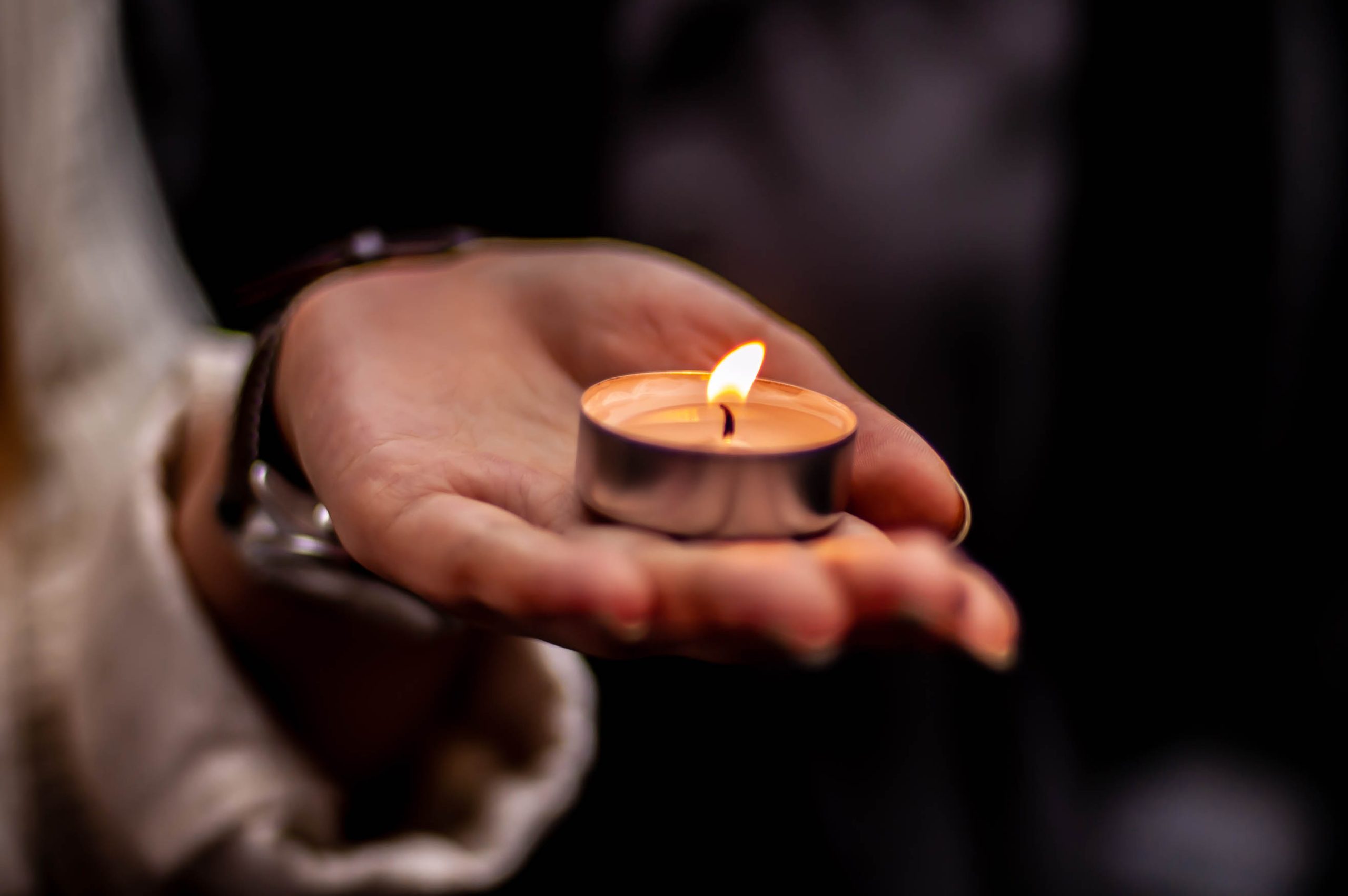
About a year ago, I attended a vigil for a Queer of Color happening in Capitol Hill in Seattle. The person in question had been visiting to perform and see friends when they were caught in the crossfire of a Seattle Police Department shootout.
There were no news reports on the death.
No major protests.
Not even any major markers to note the vigil itself besides some flowers and a couple dozen people eulogizing them.
I struggle to remember the person’s name and I am certain many others who attended have the same issue.
And yet, I can’t help but think about them now as I reflect on the response to Renée Good’s recent murder by ICE in Minnesota.
As recently as this past weekend I have witnessed people across social media lament this public miscarriage of justice. I have seen folks act aghast at what the US has become under the Trump Administration. Many have even suggested such scenarios should not be happening here in the US.
To these people, particularly my white disabled peers and political activists, I beg of you: please stop indulging this line of thought.
To entertain this thinking is to deny the realities which I and many Queers of Color have been living under. For us, Trump will never have been the starting point for state violence. He is merely its most recent, more boldfaced continuation.
Whether it be the ICE crackdowns targeting predominantly Black neighborhoods in Chicago, the discriminatory harassment of Latine men by immigration enforcement in Los Angeles and Washington, D.C., or other past actions committed by this and other administrations, these horrors are not new. They are what many Black and Brown people experienced under the first Trump administration and the Biden administration. And the manner in which this state violence has been enacted through ICE has long been an extension of police violence that disproportionately targets disabled people, especially Black disabled people.
Worse yet, when you parrot these talking points you consign the violence experienced by Black and Brown people to the background. You discursively treat our suffering as acceptable while your pain is uniquely worth fighting for. In short, you indulge in despairing only for the loss of white life while Brown and Black people languish.
Reject this impulse to wish for a world only better for you. If you fight, fight for all of us.
Fight for a world where Tanisha Anderson did not have to die in the midst of a mental health episode due to police.
Fight for a world where Adrian Martinez and Andrea Velez do not have to deal with the trauma of being wrongly detained by ICE in LA.
Fight for a world that doesn’t want to deny Keith Porter Jr.’s death at the hands of an off-duty ICE officer.
Even if you can only fight locally for Minnesota, fight for a world where George Floyd could have prospered and received care for his substance abuse issues rather than murder.
If you are new to this struggle against oppression, I welcome you with patience and grace.
But please, remember how far back this story goes.
Otherwise, you consign us to irrelevance and to being unworthy of care.
Just like that lone Queer of Color whose death mattered so little a year ago.
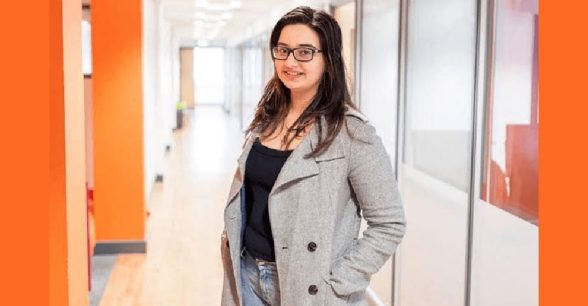
Angela Mogrovejo-Bosch (she/they) is a disabled, autistic, trans Latina who has combed the gamut when it comes to writing. Having been motivated by on the ground activist movements and disability justice organizers, she sees writing as a tool for liberation. With writing, it is their hope that we can collectively imagine and create a better world for us all. She hopes to contribute to the kinder, interdependent vision of what makes disabled creative life so precious to cultivate. In these unprecedented times, they know disabled viewpoints are needed now more than ever.
About Rooted In Rights
Rooted in Rights exists to amplify the perspectives of the disability community. Blog posts and storyteller videos that we publish and content we re-share on social media do not necessarily reflect the opinions or values of Rooted in Rights nor indicate an endorsement of a program or service by Rooted in Rights. We respect and aim to reflect the diversity of opinions and experiences of the disability community. Rooted in Rights seeks to highlight discussions, not direct them. Learn more about Rooted In Rights.