
The Ins and Outs of Food Pantries
Many people who could benefit from food pantries don’t go. Whether pride holds you back or you think you don’t qualify, with grocery prices higher than ever, you should explore your local food pantries to reduce your grocery spending.
Some pantries have financial need requirements, but they are often different than qualifying for county aid, such as SNAP (food stamps). Many have no requirements at all.
Why Go To Pantries?
Pantries exist to help those in need, period. If you are a person with a disability, you’re statistically more likely to need the assistance food pantries provide. Disabled people face more challenges in getting and keeping jobs; we are three times less likely to be hired than a non-disabled person. And when we do work, we’re more likely to receive lower pay than non-disabled people, especially if the disabled worker is a woman, earning just 50 cents per every dollar made by a non-disabled man. Still, some folks are reluctant to seek out free food. Pride and concerns about accessibility at the pantry are two big reasons some folks avoid pantries.
First, most pantries have plenty of food—you’re not taking food out of someone else’s mouth. In fact, produce pantries need numerous patrons. Distributed produce is often close to the end of its life. If not taken, it’s discarded. I’ve received whole paper grocery bags full to the top with green peppers, 20 pounds of potatoes, and dozens of zucchini on a single visit.
Second, there are many people with disabilities at food pantries. I cannot stand for long periods of time so when I first visit a pantry, I bring a small camping chair so I know I have a place to sit. I need to use the bathroom frequently due to gastrointestinal disease, so I always use the bathroom right before I leave for a new pantry since I never know if there is bathroom access.
But there is a camaraderie at many pantries. I have met and had great conversations with people from all walks of life while waiting together for food. Those of us who are forced into living in poverty, often due to circumstances outside our control, recognize our shared struggle. Other patrons will help you if they are able; they’ll answer questions about how things work or how long you usually have to wait. There are often volunteers working at pantries who help people get food into their car. They’re a great way for disabled folks, so often isolated, to connect with and build community.
Types of Pantries
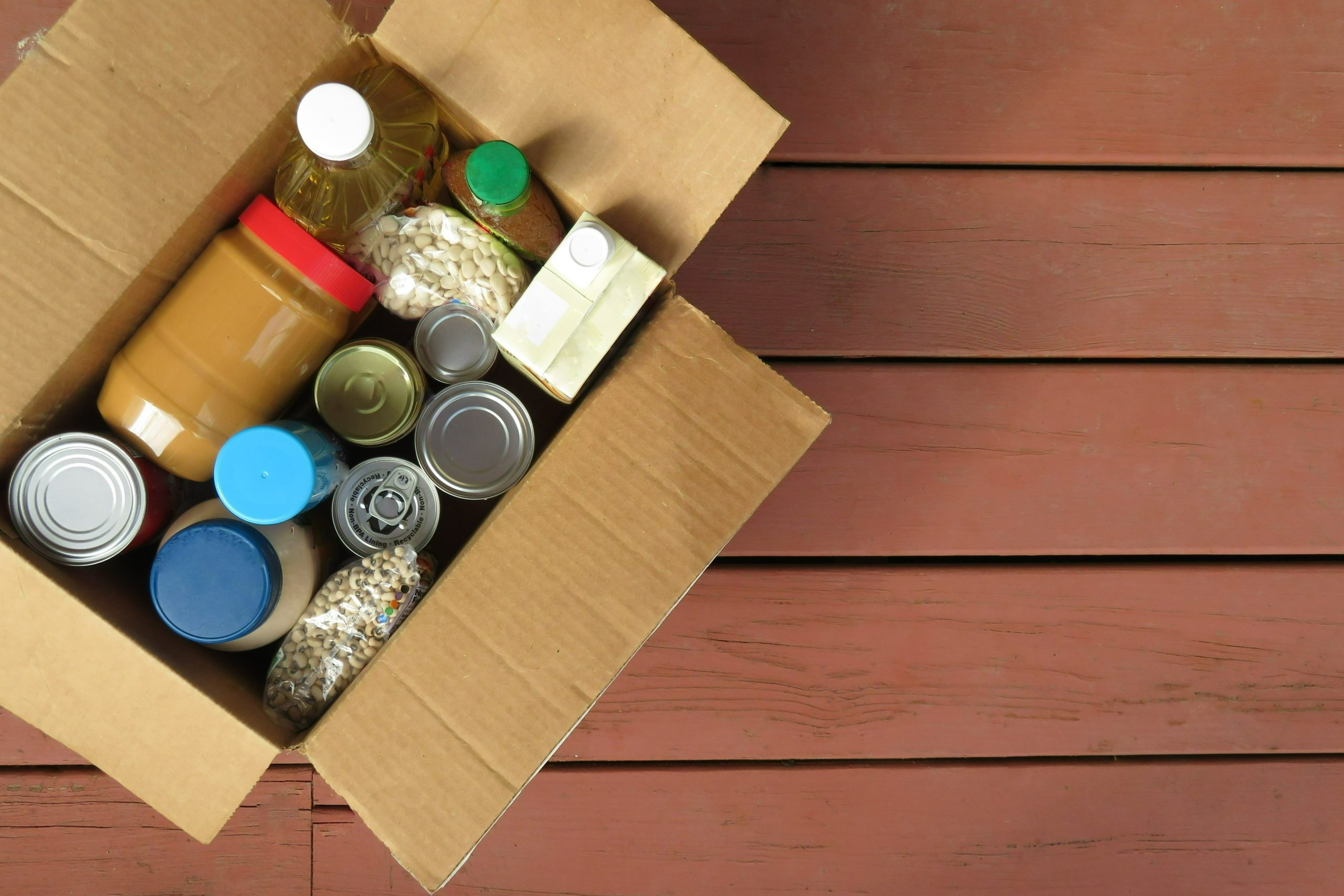
Some pantries only distribute produce. Others provide pre-bagged items—a mix of dried goods and canned. “Client choice” pantries let you shop for what you want. Soup kitchens provide free hot meals. These may all be available in your area.
How to Go to a Food Pantry
Go at least an hour before the pantry opens. Ask others about procedures, since every pantry is slightly different. Many pantries use a number system, where you go to the front of the line to obtain a number when you arrive, and then get in line. In a mobile pantry, you wait in a long line of cars. You may have to fill out a form or two.
You should expect to wait a long time, and it might be outside. I keep things in my partner’s car (I don’t currently own a car) for long waits: a small collapsible chair, a rain poncho, gloves and a hat, a blanket, and a couple of books.
The Negatives
Many pantries are run by churches, and some push religion on you. One pantry required me to sit through a speech by a pastor and to pray before receiving food – I did not return.
Also, the food can be low quality. Be prepared to immediately sort through everything you receive as you may need to throw things out that have turned—I once got a bag of baby carrots that had maggots.
You may also have to take what they give. Some places don’t care if someone in your home has Celiac disease, doesn’t like kidney beans, or is allergic to peanuts. Inquire ahead of time how they handle preferences and needs based on religion, disability, personal conviction (e.g. vegan and vegetarian), and/or individual taste. You can always offer things you don’t want to family, friends, or on local free groups on social media.
With the schedule of pantries that serve my zip code, I visit 1-2 times a week. Each pantry takes 2-4 hours to visit, and then I sort, throw out, and prep what I receive as soon as I get home. It can be time consuming.
What Visiting Pantries Has Taught Me
Going to food pantries has driven me to get more creative about food prep, storage, and cooking with what’s on hand. If I receive four bunches of overripe bananas for example, I peel and freeze some for smoothies and use others to bake banana bread loaves that I freeze.
I’ve also found ways to spend the waiting time productively, such as teaching myself basic Spanish, reading library books, or applying for jobs on my phone.
Most importantly, each item from a pantry removes the cost of me having to buy that item at the store, so I can spend my grocery dollars on other items to add to what I’ve been given and create balanced meals.
Sound off in the comments below with your recommendations for local pantries and similar resources – no matter where you are in the world! Make sure to include the city/town and state/province.
Nina McCollum (she/her) is a personal essayist and marketing writer in Cleveland, Ohio. She creates content to pull back the curtain on issues like chronic illness, aging and ageism, elder care, dementia, parenting, and poverty. Follow her on TikTok and find her published work on her website.
About Rooted In Rights
Rooted in Rights exists to amplify the perspectives of the disability community. Blog posts and storyteller videos that we publish and content we re-share on social media do not necessarily reflect the opinions or values of Rooted in Rights nor indicate an endorsement of a program or service by Rooted in Rights. We respect and aim to reflect the diversity of opinions and experiences of the disability community. Rooted in Rights seeks to highlight discussions, not direct them. Learn more about Rooted In Rights