Represented but Not Present: Mental Health and Conference Access
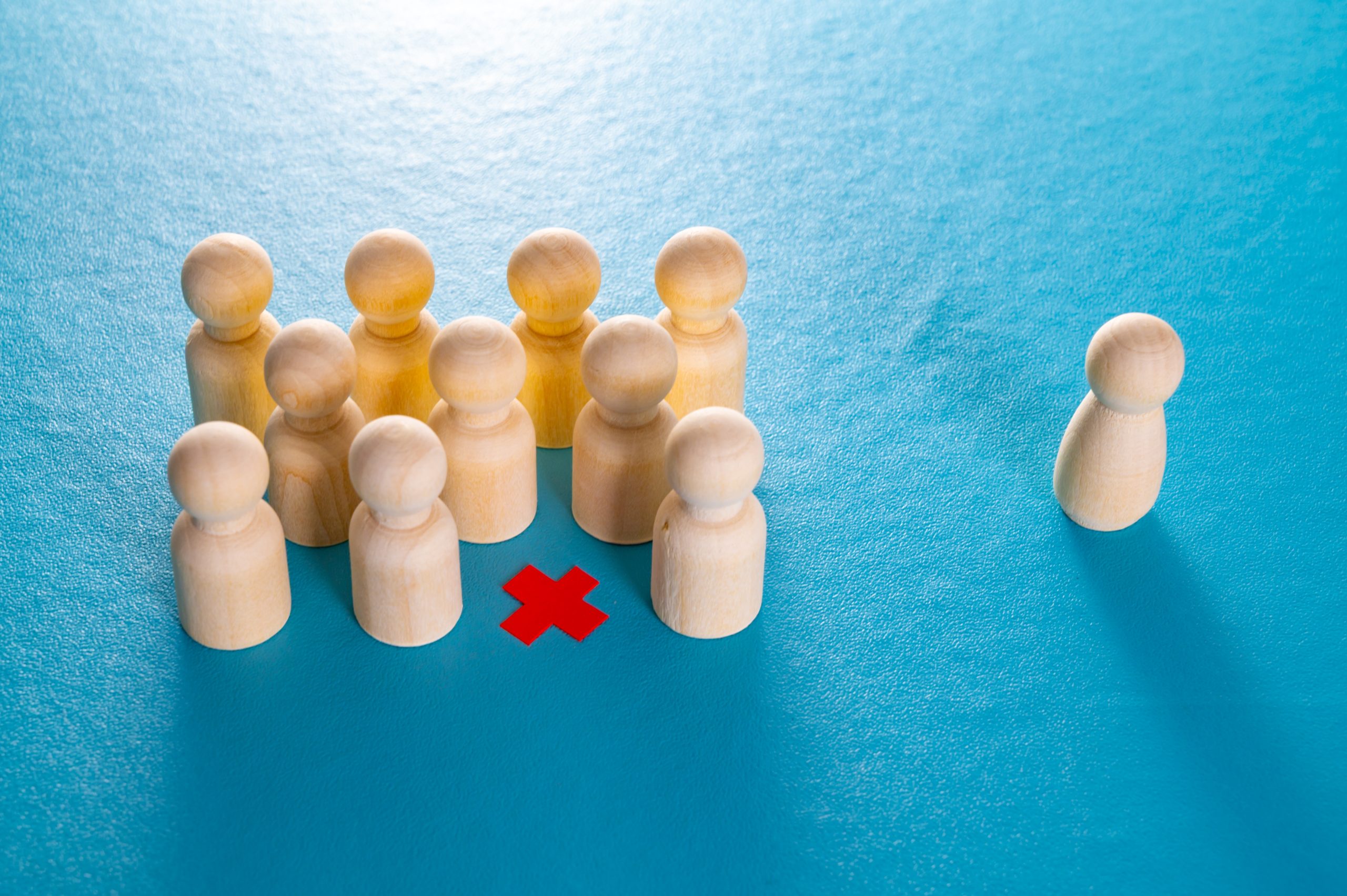
As the Global Mental Health Summit approaches in Perth, Australia this October, a pressing question I always ask is, “What does representation look like for people with mental health diagnoses during conferences?” In my experience, too often the question is answered by who is missing in the room.
Think about it: representation means more than having the same faces in panels or our names printed on programs. We exist not as a statistic or case study but as humans who have to experience the realities of an invisible illness. I acknowledge that a lot of dynamics go towards arranging such events, but, not prioritizing attendance by people with lived experience is a glaring inconsistency.
At the 2nd National Mental Health Conference held in Nairobi last year, the space remained inaccessible to many of the people it sought to represent; the most glaring barrier was financial access, with an entry fee of KSh 18,000 ($139) for the 3-day event leading up to World Mental Health Day. For someone living through the everyday realities of a mental illness, medication, therapy, and navigating intermittent work due to health, attending this conference was not possible. Kenya has a funding gap, with 0.1% of the total national health budget allocated to mental health, well below the global average of 2%. Sponsorship opportunities were limited, which quietly filtered out lived experience voices. Thankfully, I was supported by a partner organization. Though I attended, I questioned how representative the conference was and who could not prioritize a conference over the day to day management of their conditions.
Following my attendance at the National Health Conference in Nairobi, I was invited as a virtual speaker for an International Disability Conference. It was great learning the ropes of engaging other disabilities aside from psychosocial disabilities, where mental health lies. However, I experienced something unexpected. Unfortunately, despite clearly communicating that I was under the weather as we were preparing for the event, my health was not prioritized, acknowledged, or factored in.
We call for inclusion, yet resist the discomfort that true inclusion means. Is it inclusion if I could only participate as long as my disability was not a factor? I was shamed for speaking up and called unprofessional for eventually not making it to the conference despite communicating consistently. Granted, they sent out an apology after speaking up for myself; however, it did not seem sincere enough to acknowledge that, despite having bipolar, I do have a voice, and it matters. Ironically, my presentation focused on experiences of directing a personal mental health film, developed over a period of five years, and how stigma and personal narratives call for inclusion. Should I not have stated my health concerns?
These conference experiences reflect the long way we have to go as far as representation is concerned. In 2025, a friend attended the Global Mental Health Summit in Cape Town, South Africa, and the coordination and conversations were well worth her time, with a key focus on outcome-based solutions that prioritize an individual’s well-being post-treatment and recovery. I hope to attend the 2026 Global Mental Health Summit in Perth, Australia. I also hope the summit will offer true and equitable representation of the very people it aims to center.
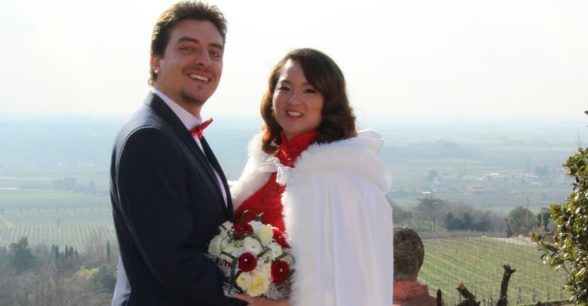
Noella is a Kenyan filmmaker and the founder of Mental Voices Africa, which uses storytelling as an advocacy tool. She believes stories help communities feel seen, heard, and valued, and works to create safe spaces where mental health is visible, shared, and treated with dignity. She serves on the Lived Experience Council for the Healthy Brains Global Initiative (HBGI) and is a Global Alliance of Mental Illness Advocacy Networks-Europe (GAMIAN-Europe) Expert by Experience.
About Rooted In Rights
Rooted in Rights exists to amplify the perspectives of the disability community. Blog posts and storyteller videos that we publish and content we re-share on social media do not necessarily reflect the opinions or values of Rooted in Rights nor indicate an endorsement of a program or service by Rooted in Rights. We respect and aim to reflect the diversity of opinions and experiences of the disability community. Rooted in Rights seeks to highlight discussions, not direct them. Learn more about Rooted In Rights.