Many Hands Make the Load Lighter: The Importance of Community Care in Disabled and Immigrant Communities
Security, stability, and found family are aspects of community building that have defined my experience as an autistic Afro-Caribbean woman in the rural South. During my adolescence, I witnessed and experienced community support for the first time through my neighbor Gloria—a physically disabled 40-year-old Haitian woman. Coming from a low-income family in Georgia, I didn’t have access to or knowledge of accommodations for my autism. However, Gloria showed me how sanctuary and support can be found within your own communities.
Starting at the age of 10, Gloria’s house became a constant where I experienced acceptance and care. She regularly provided free childcare while my parents worked. At this time, I struggled with sensory issues and communicating my needs. When I couldn’t express myself verbally, Gloria gave me my first journal and said, “When your heart is heavy, write your thoughts.” I didn’t know this way of communicating was an option; I felt seen for the first time in that moment.
I used the journal as a way to express myself when I went nonverbal. When I wrote down that bright lights and loud noises were “too much,” Gloria lit candles and quietly played a Looney Tunes cassette tape on her TV for me. At the time, I didn’t realize she was creating an accommodating environment for me to peacefully exist. She gave me an outlet, sources of comfort, and deep understanding.
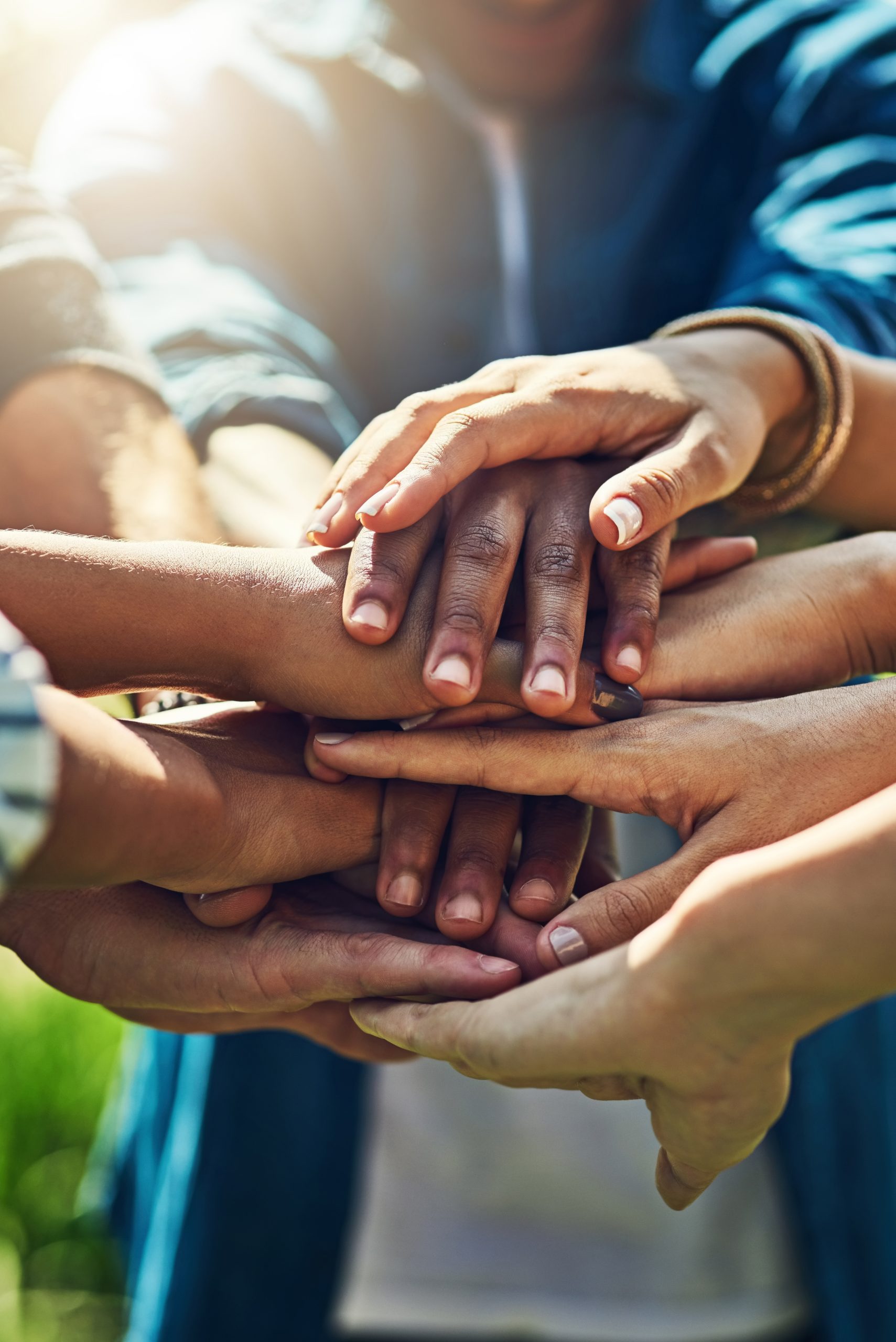
In turn, I spent weekends with my mother kneading dough to make Johnny Cake biscuits and fried fish as a way to show my gratitude. It was difficult for Gloria to stand for long periods to cook, and I wanted to show her the same support she’d always shown me. When I brought the home-cooked food to her, she replied, “Men anpil, chay pa lou.” She taught me that the Haitian proverb means “many hands make the load lighter.” Gloria made my life lighter. This communal exchange taught me how community care can support you in the face of limited resources and lack of government assistance.
Through my experience with Gloria, I found that the immigrant and disabled experiences in the rural South are interwoven identities. The lack of state policies and inadequate implementation of those that do exist force these communities to face challenges disproportionately. Southern states possess the nation’s highest rates of poverty and the largest demographic of disabled people. Similarly, immigrants are subjected to high social and political scrutiny despite the South being home to 35% of the nation’s immigrants.
These intersectional identities highlight the need for immigrant and disability justice. There are marginalized members of your community who may not have the same consistent and intentional support Gloria gave me. Belonging and inclusivity are created within community and we need to be there for one another. As national tensions grow, intercultural, cross-disability, and person-to-person connection will become lifelines for many. Will you lend a hand to make the load lighter?
The author (she/her) is a queer writer and illustrator residing in the South on the east coast of the U.S.
About Rooted In Rights
Rooted in Rights exists to amplify the perspectives of the disability community. Blog posts and storyteller videos that we publish and content we re-share on social media do not necessarily reflect the opinions or values of Rooted in Rights nor indicate an endorsement of a program or service by Rooted in Rights. We respect and aim to reflect the diversity of opinions and experiences of the disability community. Rooted in Rights seeks to highlight discussions, not direct them. Learn more about Rooted In Rights